Finding the Right Fit: Tips for Choosing a Memory Care Residence
Business Name: BeeHive Homes of Draper
Address: 711 Pioneer Rd, Draper, UT 84020
Phone: (801) 495-3100
BeeHive Homes of Draper
Full service assisted living facility serving southern Salt Lake County offering all-inclusive Memory Care, Assisted Living, and Senior/Adult Day Care services.
711 Pioneer Rd, Draper, UT 84020
Business Hours
Choosing a memory care residence is not a spreadsheet choice. Families show up with complex stories, half-packed boxes, and a mix of hope and worry. A child has actually been doing the graveyard shift for months since her mom wanders and rearranges the kitchen at 3 a.m. A partner requires safe bathing and medication oversight, but still wants to garden and hear Sinatra at lunch. Great memory care includes both truth and self-respect. The tough part is telling the difference in between a polished sales brochure and a location that can carry your loved one through the long arc of dementia care.
What follows comes from many years of walking households through admissions, care strategy conferences, and, yes, hard relocations when a home was not the best fit. Utilize these insights to frame what you see and what you ask. The objective is not excellence, it is a match that keeps your individual safe, engaged, and seen.
Start with your person, not the building
Write down the handful of things that define your loved one's days. Early morning routines, preferred foods, how they manage modification, what relaxes them throughout agitation. Add the genuine care needs: assistance with bathing or dressing, continence support, diabetes management, hearing loss, a history of falls, or a propensity to leave your home all of a sudden. Layer in the less noticeable realities such as fear, hallucinations, or durations of passiveness. Memory care is not interchangeable; some homes stand out with exit-seeking citizens, others shine with those who are physically frail however socially oriented.
Two fast examples help hone the lens. A former engineer who enjoys tools may do well in a neighborhood that runs small-group workshops with safe, purposeful tasks. A retired instructor with expressive aphasia needs staff who understand nonverbal hints and do not push for words during meals, when overwhelm peaks. When you tour, you are listening for these fits, not simply square footage.
What quality memory care really means
Marketing language often blurs the distinction between senior care in general and customized dementia care. Look past the mottos and request specifics on philosophy and practice. A strong program is developed around foreseeable rhythms, skilled personnel, and flexible reactions to behavior changes.
Training is a useful proxy. Ask how many hours of dementia-specific education personnel get at hire and annually. In lots of states, the regulative minimum is modest, in some cases under 8 hours for onboarding and 4 to 12 hours each year. Communities that invest tend to use 16 to 24 hr at hire plus refreshers on communication, de-escalation, and a person-centered approach. Ask who teaches it. A nurse educator or a credentialed dementia care specialist signals more depth than a generic online module.
Staffing ratios inform just part of the story. You may hear numbers like one caregiver to six residents in the day and one to eight at night. Ratios vary by state and acuity level. What matters more is whether there is certified nurse protection on-site or on-call, and whether there is consistent staffing by community so residents see familiar faces. Connection lowers agitation and makes subtle health modifications easier to spot. Ask how often personnel turn in between memory care and the more comprehensive assisted living floors. High rotation frequently associates with homeowners being treated as jobs instead of people with histories and preferences.
Policies around habits matter too. A residence that utilizes antipsychotics as a first-line repair for exit-seeking or sundowning is not practicing modern-day dementia care. Search for non-pharmacologic strategies such as calm areas, music intervention, and structured activity before medication. When medications are required, you want a clear procedure with physician oversight and regular taper attempts.
Clinical realities that form the fit
Alzheimer's illness is the most common reason for dementia, but not the only one. Lewy body dementia, vascular dementia, frontotemporal dementia, and combined medical diagnoses appear with different patterns. If you are seeing visual hallucinations, varying alertness, or rapid eye movement condition, personnel require experience with Lewy body. If speech and impulse control are the difficulties, frontotemporal dementia requires an environment that can endure hard minutes without punitive responses.
Comorbidities include complexity. Cardiac conditions, COPD, persistent kidney illness, and insulin-dependent diabetes call for tighter nursing oversight and reputable coordination with outside clinicians. Communities deal with medication management differently. Some pull blister packs from a contracted pharmacy and administer on a schedule; others permit family-supplied medications, with tighter documentation. Both can work, but the system must be reputable. I try to find single-dose packaging, electronic med administration records, and a nurse who can explain how they handle declined medications, missed out on dosages, and adverse effects tracking.
Hospice and palliative services are worth inquiring about early, even if you do not need them yet. Numerous memory care residents eventually take advantage of hospice for sign management and extra assistance. You desire a community that partners smoothly, not one that deals with hospice as an inconvenience.
Safe, calm, and navigable spaces
You can tell a lot about a memory care neighborhood by how locals utilize the space. Look for clear sightlines, brief corridors, and visual hints that help with orientation. Soft, indirect lighting makes a useful difference in late afternoon when glare and shadows can activate misperceptions. Hand rails need to be continuous and easy to grip. Bathrooms that can be gotten in from two sides decrease congestion during early morning care, and bathroom must be warm and well lit to lessen resistance.
Wandering is not naturally dangerous. Unsafe wandering is. Controlled exits, unobtrusive door alarms, and protected outdoor yards enable movement without danger. I like to see at least one looped strolling course indoors with resting spots every 30 to 40 feet. Seating must be durable and differed in height. If you discover chairs that look great but slide on tile or tuck under too securely for a person with minimal depth understanding, the area was developed for staging photos, not people.
Kitchens and dining-room are worthy of close attention. Family-style plating, encouraging utensils, and smaller dining rooms decrease overwhelm. If you observe a meal, enjoy whether staff sit at eye level and hint discreetly, or whether they tower above residents and rush. You can feel the difference.
Life enrichment that respects adulthood
Activities matter, but not calendars stuffed with generic crafts. Real engagement comes from matching remaining abilities to meaningful jobs. A great program balances small groups with one-on-one time, and it runs seven days a week, not simply on weekdays. Early morning routines might include coffee-and-headlines for those who like structure, while afternoons might lean into music, walks, and sensory stations to assist with sundowning.
One house I deal with keeps a shadowbox outside each room with images and things from a resident's life. Personnel utilize it as a conversation bridge throughout shifts. Another established a peaceful hobby nook with bolts, washers, and sanded wood blocks. Citizens who fidget or pick at clothes frequently settle into balanced sorting. These are not childlike jobs; they are purposeful, tuned to cognition and motor abilities. Ask to see care plans that connect a resident's history to their day-to-day schedule. If the strategy is a generic design template, expect generic days.
Leadership, supervision, and the night shift
The best memory care floors have leaders who show up. Does the nurse or program director stroll the system a number of times a day, or are they buried in a workplace? Ask how frequently care conferences are held and who goes to. A robust conference includes the nurse, a care assistant who in fact works with your loved one, the life enrichment lead, and, when required, the dining or therapy team. If you hear that care conferences are done by phone with generic notes, it is harder to move the needle on useful problems like bathing rejections or weight loss.
Overnight care is where great programs differentiate themselves. Nights are when delirium, breathing concerns, and anxiety surge. There should be awake personnel all night, with clear rounding schedules and documents. If there is no certified nurse on-site, ask how the community manages a fall, a blood sugar level of 45, or an acute modification in breathing at 2 a.m. One structure I appreciate keeps a concentrated emergency package on the unit and trains all personnel quarterly on first response while awaiting EMS. That sort of preparation hardly ever appears in brochures.
Costs, contracts, and what "all inclusive" actually means
Sticker shock is typical. Across the United States, month-to-month rates for memory care commonly vary from the low $5,000 s to over $10,000, depending on location and acuity. Rates designs differ. Some communities utilize levels of care, with base rent plus tiered fees for assistance. Others guarantee an all-encompassing rate, which sounds reassuring up until you learn what sits outside that umbrella: incontinence products, cable, escorts to medical consultations, or habits management plans.
Expect an annual increase, frequently 3 to 8 percent, in some cases more. Clarify how boosts are communicated and whether there are caps. Move-in charges are common, usually a one-time charge that covers preliminary evaluation and setup. If you are thinking about respite care as a trial stay, ask if the day-to-day rate can be credited towards the first month if you transform to a permanent move.
For families planning elder care ahead to Medicaid, timing is fragile. Some memory care residences are private pay just. Others accept Medicaid however have long waitlists or limit the number of Medicaid beds. If veterans benefits may apply, a local Veterans Service Officer can approximate eligibility for Help and Participation, which can balance out a number of hundred to more than a thousand dollars per month.
A brief guide to the money discussion can help you cut through jargon.
- What precisely is included in the base rate, and what are the typical add-on charges over the very first year?
- How are care levels identified, and who makes the decision to move somebody to a greater level?
- What is the current typical out-of-pocket expense for locals with needs similar to my loved one's?
- If habits support or one-to-one guidance is needed, how is that billed, and for how long?
- Do you accept Medicaid after a private-pay period, and if so, the length of time is that period and are Medicaid areas guaranteed?
How to tour with your eyes and ears open
Call a minimum of 2 houses and schedule tours at various times of day. Plan one during a meal, another in late afternoon, when sundowning can test a program's mettle. When you arrive, do not simply follow the path the sales director recommends. Ask to walk the memory care flooring, peek into typical spaces, and, if appropriate, observe an activity for a few minutes.
Use a compact list to arrange what you notice.
- Staff speak to residents by name, await eye contact, and kneel or sit to be at their level.
- Hallways and typical rooms feel calm, with purposeful sound, not shrieking televisions.
- You see locals doing things besides sitting: folding towels, watering plants, walking with staff.
- Odors are neutral; if you capture a strong odor, check once again 15 minutes later on to eliminate a transient issue.
- Call lights or movement sensors do not sound for long; staff respond within a couple of minutes.
Go with your impulses, however back them with questions. If the tour route avoids a wing or the director dismisses concerns with vague reassurances, keep probing. I as soon as toured a building with glossy art on the walls and a best courtyard. The dining-room looked staged. In the hall, I saw a resident trying to open a locked door, no staff in sight. After 3 minutes, a care aide rushed over, winded. Too couple of people for a lot of residents. We passed.
Respite care as a low-risk trial
A brief respite stay can be a smart method to test the fit. Lots of communities offer one to four weeks of respite care in a furnished suite, with full access to memory care programs. Families typically utilize respite during a caretaker's travel or recovery from surgical treatment, but it also serves as a sensible preview of how a loved one will settle. Staff can observe sleep patterns, medication tolerance, and triggers without the pressure of a permanent move. You discover whether your individual warms to the dining room or resists common areas, and you can change the strategy accordingly.
If you try respite, pack familiar bedding, label clothing, and bring a few personal items that can spark recognition: a baseball cap, a framed wedding image, a favorite cardigan. Supply an easy profile card with key truths and soothing techniques. The group will use it more than you expect.
Communication, authorization, and household involvement
Memory care goes best when households and staff function as partners. Ask how the community communicates routine updates and immediate changes. Some utilize safe apps with everyday notes and pictures, which can be practical for far-off relatives. Others count on weekly calls or e-mail summaries. The more complex your loved one's requirements, the more you want direct lines to the nurse and the program director, not simply a basic voicemail.
Documents matter. Ensure health care proxies, powers of attorney, and advance instructions are in place and on file. If several siblings share decision-making, clarify who can offer everyday consent for medication modifications or hospital transfers. Disagreements sluggish care at the worst moments.
Look for a family council or routine education nights. Excellent neighborhoods welcome households to learn more about dementia care techniques, not simply participate in vacation celebrations. If the building tolerates family drop-ins at different hours and welcomes you at meals or activities, it is easier to stay connected without hovering.
Red flags worth heeding
No single problem disqualifies a residence, however a cluster of patterns need to offer you stop briefly. High personnel turnover over lots of months often spills into care spaces. If you hear three different versions of the medication process from 3 individuals, the system is delicate. Watch for a punitive tone about citizens. Expressions like "they're difficult" or "we don't do that here" signal rigidity.
Be wary of communities that guarantee they can deal with any habits. No residence can, and honest leaders will detail their thresholds for outside psychiatric consults, short-term one-to-ones, or hospital assessments. Transparency about limits normally associates with better everyday problem solving.
Moving day and the very first thirty days
Moves are stressful for people with dementia. Prepare for a morning arrival when possible, so your loved one can settle in the past night. Keep the environment calm. Too many relative in the room can overwhelm. Let staff lead, and step out if your existence escalates distress. Location identifiable products in sight: the afghan at the foot of the bed, slippers by the chair, household pictures at eye level.
Expect a period of adjustment. Hunger may dip for a week or 2. Sleep might be unpredictable. Some locals test borders or attempt to leave. This does not mean the positioning is incorrect. It does suggest the team needs to fulfill early to compare notes and adjust. 2 examples from current moves: one resident stopped consuming lunch up until the cooking area provided smaller, more regular treats with finger foods. Another ended up being combative at showers, which improved after moving bath time to mid-morning with warmer spaces and a favorite playlist.
Ask for a 30-day care conference. Evaluation weight, mood, engagement, and any occurrences. Settle on objectives for the next month. Keep interaction succinct and factual. If you are not getting updates, request a weekly check-in require the first six weeks.
A brief case from practice
Mr. R, 82, a former mail provider with combined Alzheimer's and vascular dementia, dealt with his boy. He roamed in the evening and withstood bathing, however liked coffee and early morning walks. 2 trips left the child cold. The first had a vibrant calendar but felt loud and quick. The second was peaceful, but the building smelled of disinfectant and citizens sat facing a TV.
They tried a two-week respite care remain at a 3rd house with a small, light-filled memory care system. The director set up Mr. R for an early morning strolling group and seated him with 2 males who had been tradespeople. Staff discovered to cue showers by handing him a warm towel and pointing out an early morning path, which anchored him in a familiar regimen. After day nine, his sleep consolidated. The son felt relief for the very first time in a year. They converted to permanent residency, and the community folded hospice in with dignity 18 months later on when his heart failure advanced. This was not a perfect run. He fell twice without injury and had a quick healthcare facility stay for pneumonia. What mattered was the group's responsiveness and the constant fit with his habits.
When a greater level of care is right
Some homeowners eventually require experienced nursing or a devoted behavioral health setting. Indications include unchecked hostility that puts others at risk, serious swallowing concerns requiring constant proficient oversight, complex injury care, or regular hospitalizations that overtake the home's nursing capacity. A respectable memory care neighborhood will help you assess the move and coordinate handoffs with accurate records and useful guidance about what to anticipate next. Moving is hard, but the best environment at the right time reduces suffering.
Final thoughts and a practical course forward
You do not require to fix whatever today. Aim for a stepwise process that stabilizes head and heart. Start with clearness about your loved one's needs and preferences. Narrow to three memory care alternatives that vary in size or approach. Visit at least two times, including one mealtime. Ask pointed concerns about staffing, training, medical oversight, and costs. Think about respite care as a trial if you are not sure. When you select, support the transition with familiar products, easy routines, and constant communication.

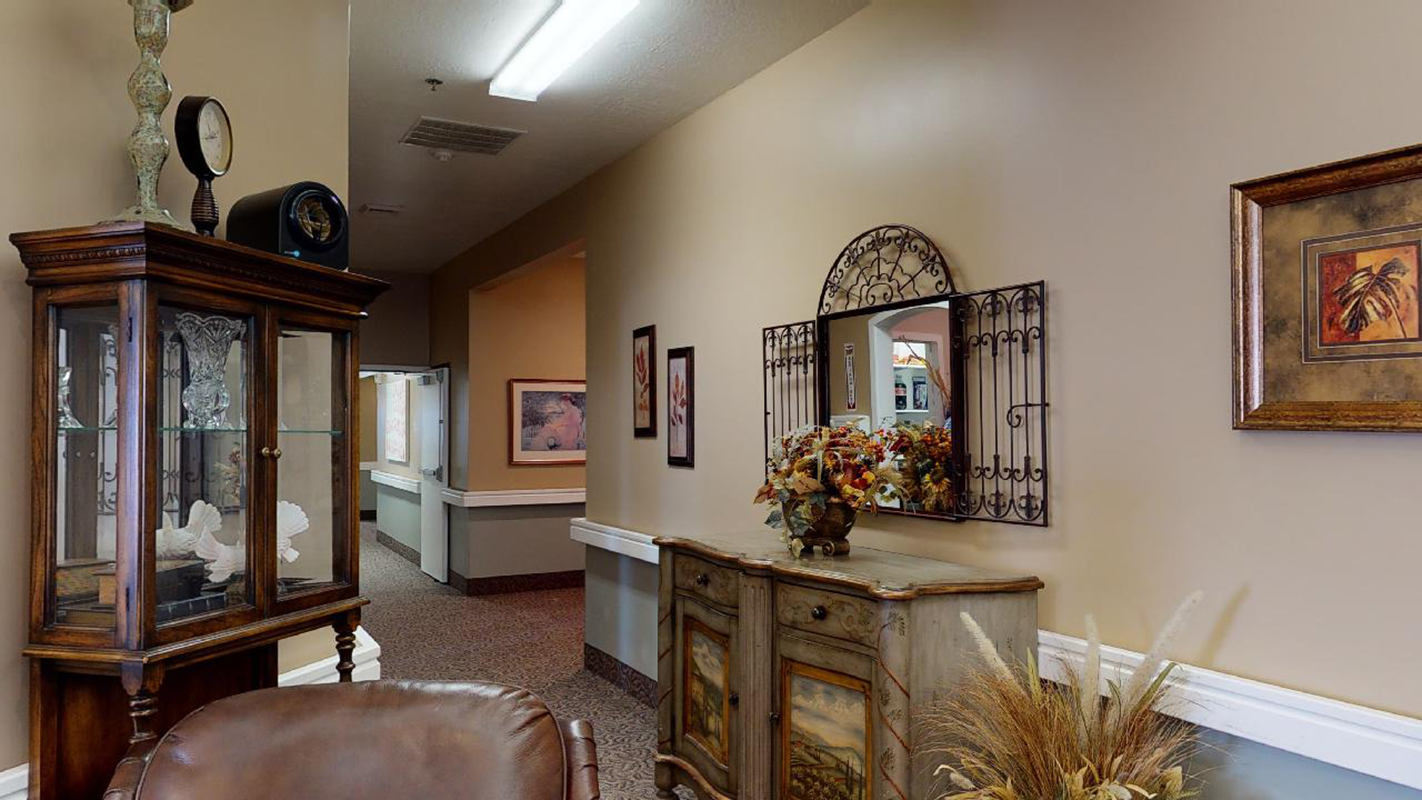
Most households find that good memory care is not about facilities. It is about personnel who know that your dad consumes better if he hears Ella Fitzgerald, or that your mom softens when inquired about her garden. It has to do with regimens that feel like life, not a schedule. And it has to do with having partners who can browse the unpredictable roadway of dementia care with patience, ability, and respect.
BeeHive Homes of Draper provides assisted living care
BeeHive Homes of Draper provides memory care services
BeeHive Homes of Draper provides respite care services
BeeHive Homes of Draper supports assistance with bathing and grooming
BeeHive Homes of Draper offers private bedrooms with private bathrooms
BeeHive Homes of Draper provides medication monitoring and documentation
BeeHive Homes of Draper serves dietitian-approved meals
BeeHive Homes of Draper provides housekeeping services
BeeHive Homes of Draper provides laundry services
BeeHive Homes of Draper offers community dining and social engagement activities
BeeHive Homes of Draper features life enrichment activities
BeeHive Homes of Draper supports personal care assistance during meals and daily routines
BeeHive Homes of Draper promotes frequent physical and mental exercise opportunities
BeeHive Homes of Draper provides a home-like residential environment
BeeHive Homes of Draper creates customized care plans as residents’ needs change
BeeHive Homes of Draper assesses individual resident care needs
BeeHive Homes of Draper accepts private pay and long-term care insurance
BeeHive Homes of Draper assists qualified veterans with Aid and Attendance benefits
BeeHive Homes of Draper encourages meaningful resident-to-staff relationships
BeeHive Homes of Draper delivers compassionate, attentive senior care focused on dignity and comfort
BeeHive Homes of Draper has a phone number of (801) 495-3100
BeeHive Homes of Draper has an address of 711 Pioneer Rd, Draper, UT 84020
BeeHive Homes of Draper has a website https://beehivehomes.com/locations/draper/
BeeHive Homes of Draper has Google Maps listing https://maps.app.goo.gl/LgtrXf95hQFVgKrY8
BeeHive Homes of Draper has Facebook page https://www.facebook.com/BeeHiveDraper/
BeeHive Homes of Draper won Top Assisted Living Homes 2025
BeeHive Homes of Draper earned Best Customer Service Award 2024
BeeHive Homes of Draper placed 1st for Utah Senior Living Communities 2025
People Also Ask about BeeHive Homes of Draper
What is BeeHive Homes of Draper Living monthly room rate?
Our monthly rates for both Assisted Living and Memory Care at BeeHive Homes of Draper are thoughtfully designed to be all-inclusive. While pricing reflects each resident’s unique care needs, families appreciate that once a rate is established, it remains stable - no hidden fees or surprise increases as care evolves. We believe in clarity, consistency, and peace of mind
Can residents stay in BeeHive Homes of Draper until the end of their life?
In many cases, yes. We are honored to support residents throughout their journey, including end-of-life care, right here in the comfort of our Draper home. There are rare occasions when medical needs exceed our licensing (such as 24-hour skilled nursing) but we’ll always guide families through any transition with care and compassion
Do we have a nurse on staff?
Yes, we do. Our Registered Nurse, Jacque Parker, R.N., works closely with local home health nurses and house-call physicians to coordinate excellent care. This collaboration allows us to meet a wide range of health needs right here at home
What are BeeHive Homes of Draper's visiting hours?
We know how important it is to stay close to loved ones. That’s why visiting hours at our Draper home are flexible and designed around what works best for the resident. You’re welcome to visit during the day... just try not to come to early and stay too late
Do You Offer Rooms for Couples?
Yes, we do! BeeHive Homes of Draper offers select suites for couples who wish to continue living together while receiving care. These shared accommodations preserve comfort and connection while ensuring both individuals get the personalized support they need. Availability is limited, so reach out to learn more
Do You Provide Senior Day Care or Respite Services?
Absolutely. Our senior day care and short-term respite care options are perfect for families who need extra help during the day or while traveling. Guests enjoy the same high-quality care, engaging activities, and home-cooked meals as our full-time residents, all in a safe, social environment. We’ll help you find a care plan that fits your schedule and your loved one’s needs.
What’s the Difference Between Assisted Living and Memory Care?
Assisted living is best for seniors who benefit from help with daily activities but still enjoy socializing and independence. Memory care is a more structured service tailored to individuals with Alzheimer’s or other cognitive conditions, with routines, guidance, and security that support safety and emotional well-being.
Where is BeeHive Homes of Draper located?
BeeHive Homes of Draper is conveniently located at 711 Pioneer Rd, Draper, UT 84020. You can easily find directions on Google Maps or call at (801) 495-3100 Monday through Sunday Open 24 hours
How can I contact BeeHive Homes of Draper?
You can contact BeeHive Homes of Draper by phone at: (801) 495-3100, visit their website at https://beehivehomes.com/locations/draper/ or connect on social media via Facebook
Draper City Park is a beautiful destination where families seeking Assisted living, memory care, senior care, elderly care, and respite care can enjoy quality time together in a peaceful outdoor setting.